
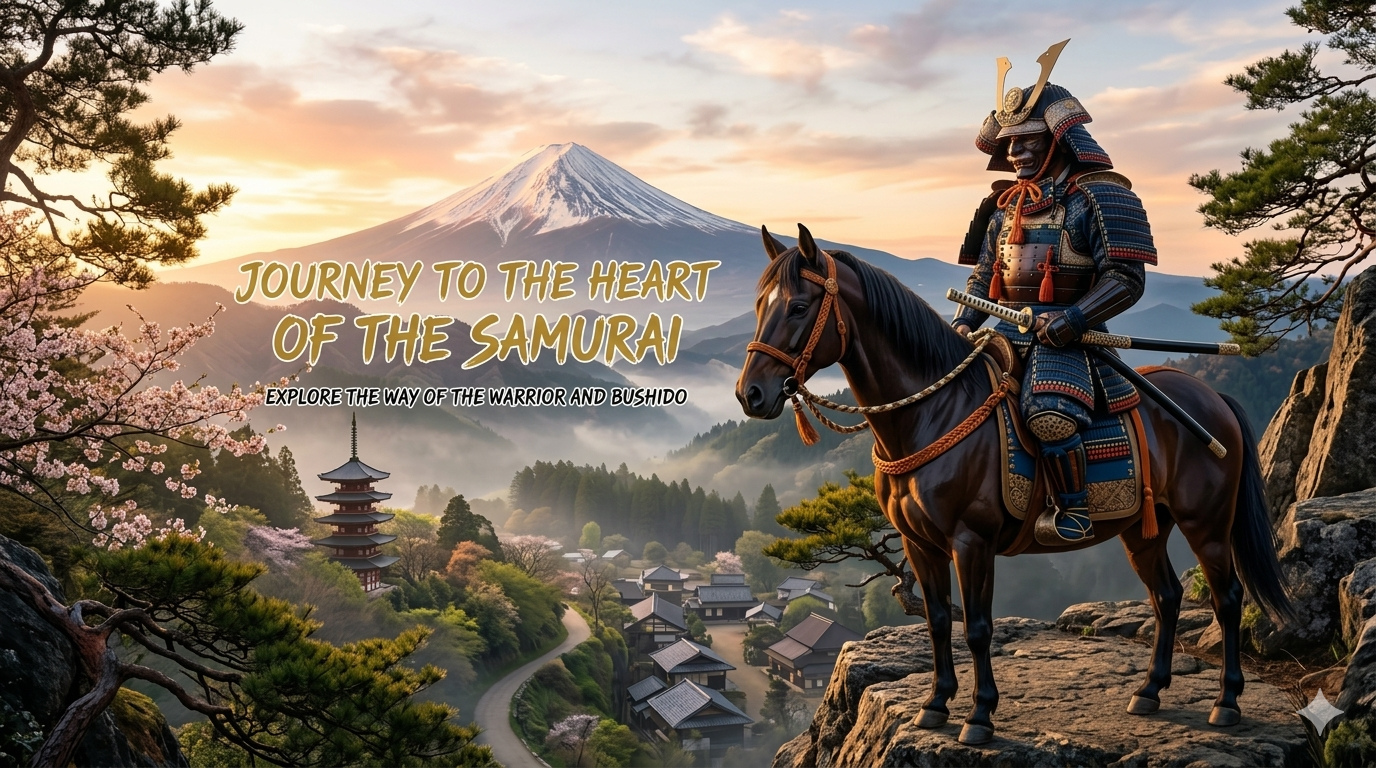
The word Samurai is synonymous with Japan. These elite warriors, governed by a strict moral code and wielding the legendary katana, shaped the nation’s destiny for nearly 800 years. Even today, the “Spirit of the Samurai” resides in the Japanese psyche—from business ethics to the discipline of martial arts.
Whether you are a history buff or planning a trip to Japan in 2026, this guide will walk you through the evolution of the samurai and where you can still walk in their footsteps today.
1. Who Were the Samurai? A Brief History
The Samurai (or bushi) emerged in the 12th century during the Heian Period. Originally hired as provincial warriors, they eventually seized power, leading to the first military government, the Kamakura Shogunate.
For centuries, they were the highest social caste in Japan. Their reign only ended in 1868 with the Meiji Restoration, which abolished the feudal system to modernize the country.
The Code of Bushido
At the heart of every samurai was Bushido (The Way of the Warrior). This wasn’t just about combat; it was a lifestyle centered on seven core virtues:
- Gi (Justice): Being honest in all dealings.
- Rei (Respect): Courtesy even to enemies.
- Yu (Courage): Overcoming fear to do what is right.
- Meiyo (Honor): A warrior’s only judge is his character.
2. Must-Visit Samurai Landmarks in Japan (2026 Edition)
If you want to experience the authentic world of the samurai, skip the tourist traps and head to these historic sites.
Kanazawa: Nagamachi Samurai District
One of the best-preserved areas in Japan, Nagamachi was where middle-to-high-ranking samurai lived. You can walk through narrow earthen-walled lanes and visit the Nomura Samurai Family Residence, which features a world-class Japanese garden.
Nagamachi Samurai District – Kanazawa Travel
Himeji Castle: The White Heron
No “Samurai Japan” tour is complete without Himeji Castle. This UNESCO World Heritage site is the most iconic fortress in the country. Its complex defense systems—including “murder holes” and labyrinthine paths—showcase the military brilliance of the era.
Nikko: The 1,000 Samurai Procession
In May 2026, don’t miss the Hyakumonozoroe Sennin Gyoretsu at Toshogu Shrine. It’s a spectacular reenactment of the funeral procession of Tokugawa Ieyasu, the founder of the Edo Shogunate, featuring over 1,000 participants in authentic armor.
1,000 Samurai Procession in Nikko 2026 – May Events in Tochigi – Japan Travel
3. Experience the Samurai Spirit: 2026 Activities
Modern Japan offers unique ways to “become” a samurai for a day:
- Sword Combat (Tate): In Tokyo, dojos like Takase Dojo teach stage combat techniques used in samurai movies.
- Sword Making: Travel to Seki City (the blade capital of Japan) to watch master blacksmiths forge katanas using traditional methods.
- Stay in a Castle: Some castles, like Ozu Castle in Ehime, now offer overnight stays where you can live like a Daimyo (lord).
4. The Samurai in Pop Culture
The fascination with samurai hasn’t faded; it has simply evolved. In 2026, the global imagination is captured by:
- Anime: Series like Demon Slayer and Rurouni Kenshin continue to bridge the gap between history and fantasy.
- Gaming: Hits like Ghost of Tsushima have turned samurai history into an interactive global phenomenon.
- Museums: The British Museum is hosting a landmark “Samurai” exhibition through May 2026, highlighting the warrior’s global influence.

Summary: Why the Samurai Still Matter
The samurai are more than just men in armor. They represent a commitment to excellence and discipline. When you visit Japan, you aren’t just looking at old buildings; you are witnessing a legacy of craftsmanship and honor that continues to define the nation.
Conclusion: The Eternal Legacy of the Samurai in Japan
The era of the Samurai may have officially ended in the 19th century, but their influence is woven into the very fabric of Japan. From the meticulous craftsmanship of a Japanese chef to the unwavering politeness found in the streets of Kyoto, the virtues of Bushido—honor, respect, and discipline—remain alive and well in 2026.
Exploring the history of these legendary warriors offers more than just a glimpse into the past; it provides a deeper understanding of the Japanese soul. Whether you are marveling at the architecture of Himeji Castle, practicing the art of the sword in a Tokyo dojo, or simply admiring a masterfully forged katana, you are participating in a living history that continues to inspire the world.
As you plan your next trip to Japan, remember that the “Way of the Warrior” isn’t found in a museum alone—it’s found in the spirit of excellence that defines the nation.

コメント