
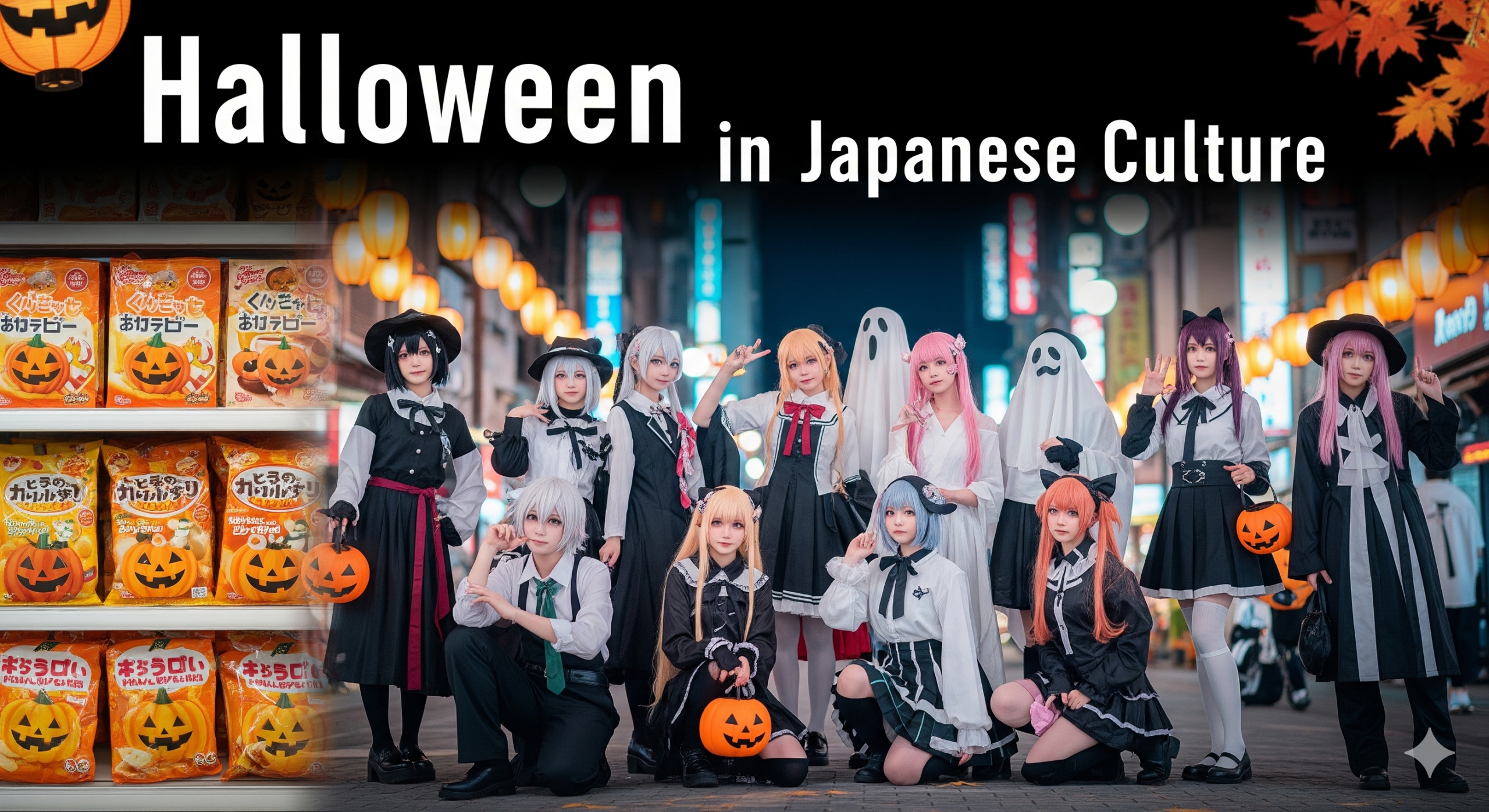
Halloween, originally rooted in Western traditions such as the Celtic festival of Samhain and later Christian customs like All Saints’ Day, has found a unique place in Japan. Over the past two decades, Halloween has become a seasonal event that combines elements of global culture with Japanese creativity. Understanding how Halloween is interpreted in Japan provides insight into how cultural events are adapted and localized.
Halloween’s Arrival in Japan
Halloween was first introduced to Japan through international communities, theme parks like Tokyo Disneyland, and the influence of global media. Unlike in Western countries, where children go trick-or-treating from door to door, Japan embraced Halloween as a community event. Costume parades, street parties, and themed events at shopping malls became the primary way for people to celebrate. This shows how Japan reinterprets foreign traditions to fit its own cultural style.
Costumes and Creativity
One of the most visible aspects of Halloween in Japan is cosplay. Japanese pop culture, which already has a strong tradition of dressing up as anime and manga characters, made it easy for Halloween costumes to gain popularity. People enjoy expressing themselves through unique, elaborate outfits that often go beyond ghosts and witches. From famous movie characters to kawaii (cute) fashion, Halloween in Japan is more about artistic self-expression than about spooky traditions.
Commercial Popularity
Halloween has also become a major commercial event in Japan. Department stores, supermarkets, and convenience stores sell themed snacks, decorations, and limited-edition products. Seasonal packaging featuring pumpkins, bats, and ghosts attracts both children and adults. For businesses, Halloween is an opportunity similar to Christmas or Valentine’s Day, boosting sales and creating a festive atmosphere.
Community and Public Events
In Japan, Halloween is not typically celebrated at home but in public spaces. Popular districts like Shibuya in Tokyo attract thousands of young people who gather in costume for massive street parties. While these gatherings sometimes raise issues of crowd control and public safety, they also show how Halloween has become a symbol of youthful energy and urban culture in Japan.
Japanese Understanding of Halloween
For many Japanese people, Halloween is not about its original religious meaning but about fun, fashion, and seasonal excitement. It is understood as a cultural import that highlights global connections, creativity, and entertainment. This reflects Japan’s broader tendency to adopt international traditions and reinterpret them in unique, localized ways.
Conclusion
Halloween in Japanese culture is a fascinating example of cultural adaptation. While it does not share the same religious or historical significance as in Western countries, it has become a vibrant and creative celebration. From cosplay parades to seasonal products, Halloween in Japan reflects the country’s ability to blend global influences with local traditions.


コメント