
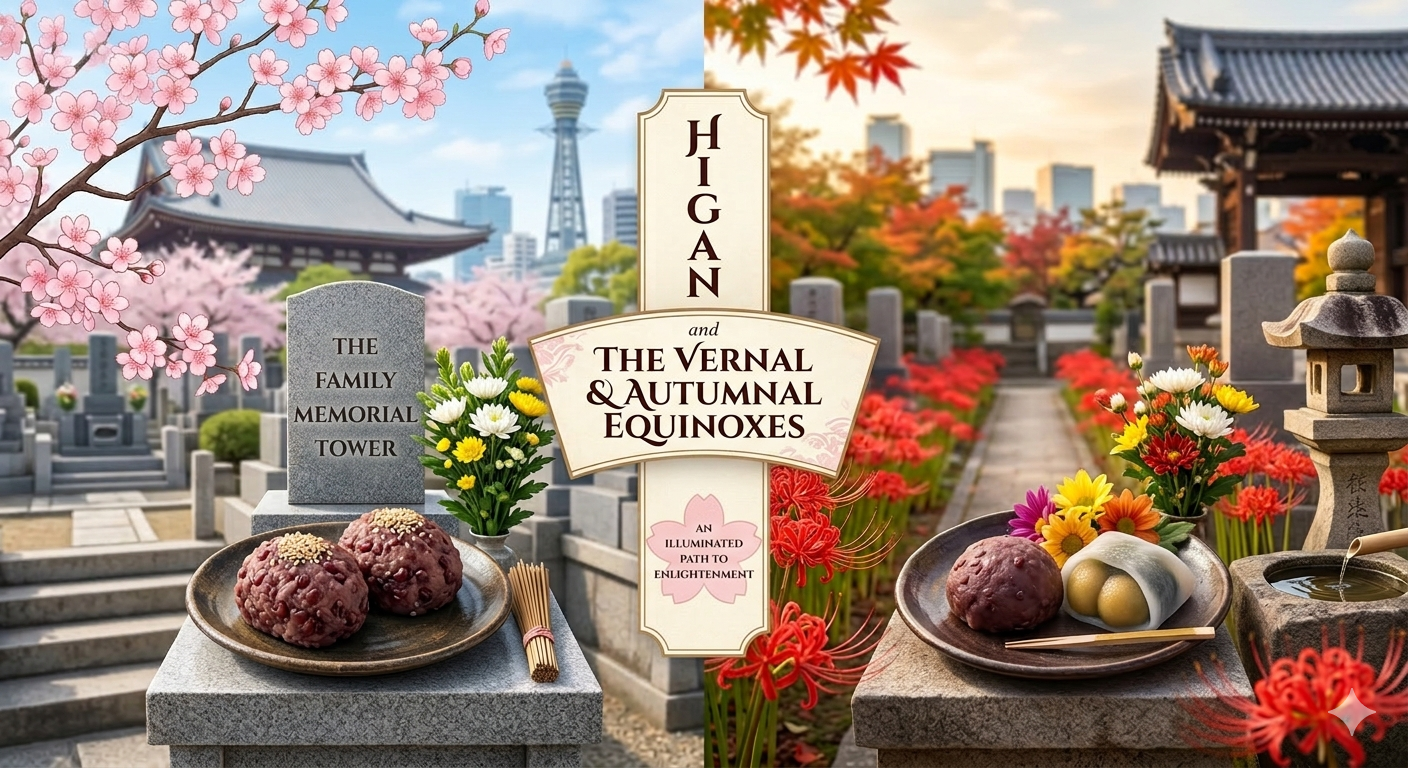
As the seasons shift and the cherry blossoms prepare to bloom (or the autumn leaves begin to turn), Japan enters a unique spiritual period known as Ohigan (お彼岸).
If you are traveling in Japan or simply interested in Japanese culture, understanding Ohigan is key to grasping how the Japanese people honor their ancestors and celebrate the harmony of nature. In this guide, we’ll explore the meaning, dates for 2026, and the delicious traditions associated with this sacred week.
What is Ohigan?
The word Ohigan literally translates to “the other shore.” In Buddhist tradition, this refers to the state of enlightenment (Nirvana), as opposed to “this shore” (Shigan), the world of suffering and desire where we live.
It is believed that during the Spring and Autumn Equinoxes, when day and night are of equal length, the boundary between these two worlds becomes thin. This makes it the perfect time to:
• Commemorate deceased loved ones.
• Reflect on the “Six Paramitas” (virtues like generosity and meditation).
• Visit family graves (Grave visiting or 墓参り – Hakamairi).
When is Ohigan 2026?
Ohigan occurs twice a year, spanning seven days: three days before the equinox, the equinox itself, and three days after.
Spring Ohigan (Haru no Higan)
• Start: Tuesday, March 17, 2026
• Vernal Equinox Day: Friday, March 20, 2026 (National Holiday)
• End: Monday, March 23, 2026
Autumn Ohigan (Aki no Higan)
• Start: Sunday, September 20, 2026
• Autumnal Equinox Day: Wednesday, September 23, 2026 (National Holiday)
• End: Saturday, September 26, 2026
Essential Ohigan Traditions
If you are in Japan during these weeks, you will notice families gathering and local shops bustling with specific seasonal items.
1. Hakamairi (Visiting the Graves)
Families visit cemeteries to clean their ancestors’ tombstones, pull weeds, and offer fresh flowers and incense. It is a time of “reporting” to ancestors about the family’s current well-being.
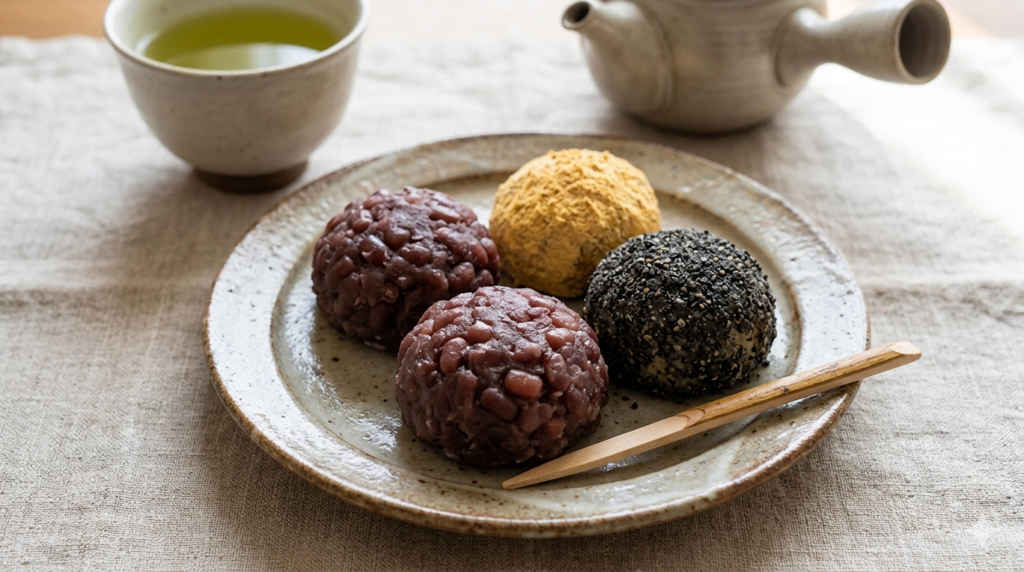
2. The Symbolic Food: Botamochi and Ohagi
The most iconic part of Ohigan is eating sweet rice balls coated in anko (red bean paste). Interestingly, the name changes depending on the season:
• Spring: Called Botamochi, named after the Botan (Peony) flower.
• Autumn: Called Ohagi, named after the Hagi (Bush Clover) flower.
The red color of the azuki beans is traditionally believed to ward off evil spirits and protect the family from misfortune.
3. Higanbana (Red Spider Lilies)
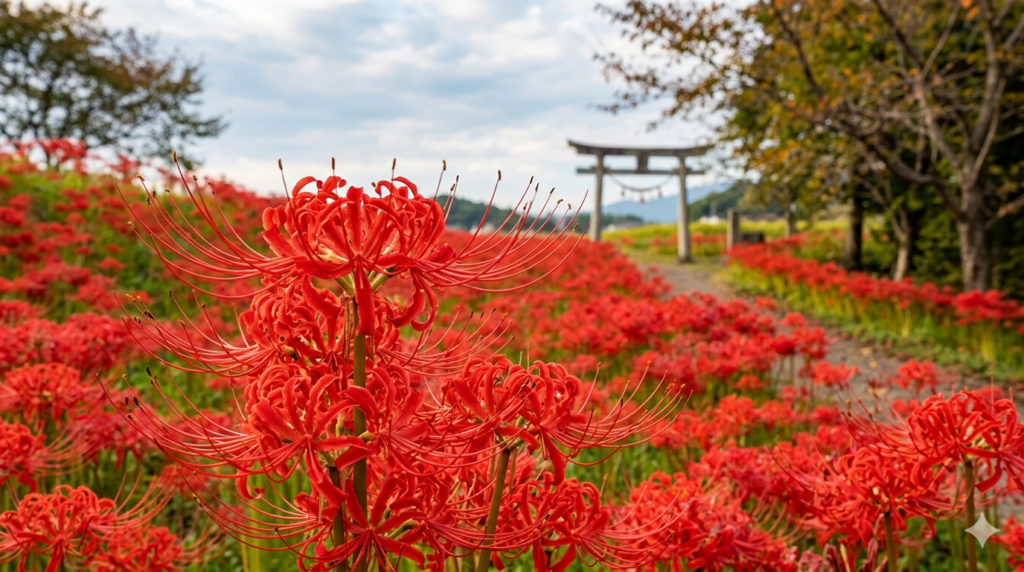
During the Autumn Ohigan, the landscape is often painted bright red by Higanbana. These flowers are strikingly beautiful but carry a somber reputation, as they often bloom near graveyards, marking the arrival of the equinox.
Quick Tips for Your Visit
• Plan for Crowds: Since the Equinox days are national holidays, popular temples (like Shitenno-ji in Osaka or Senso-ji in Tokyo) will be very busy.
• Try Local Wagashi: Visit a traditional confectionery shop to try handmade Botamochi. The texture of the “half-smashed” rice (han-goroshi) is a unique culinary experience!
Conclusion
Ohigan is more than just a religious event; it is a beautiful reflection of the Japanese appreciation for the cycle of life and the changing seasons. Whether you are offering a prayer or simply enjoying a piece of Ohagi, you are participating in a tradition that has shaped Japan for over a thousand years.


コメント